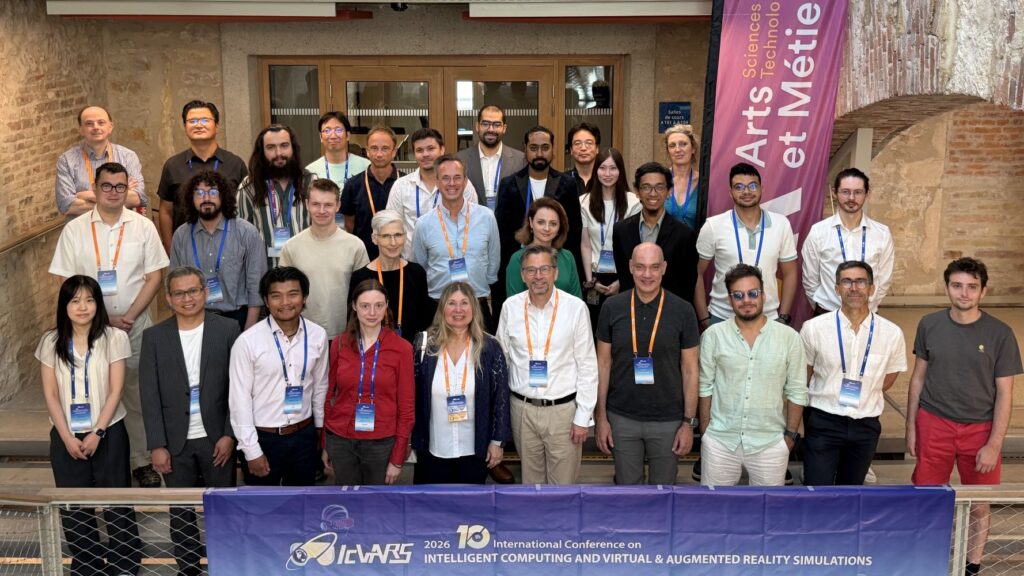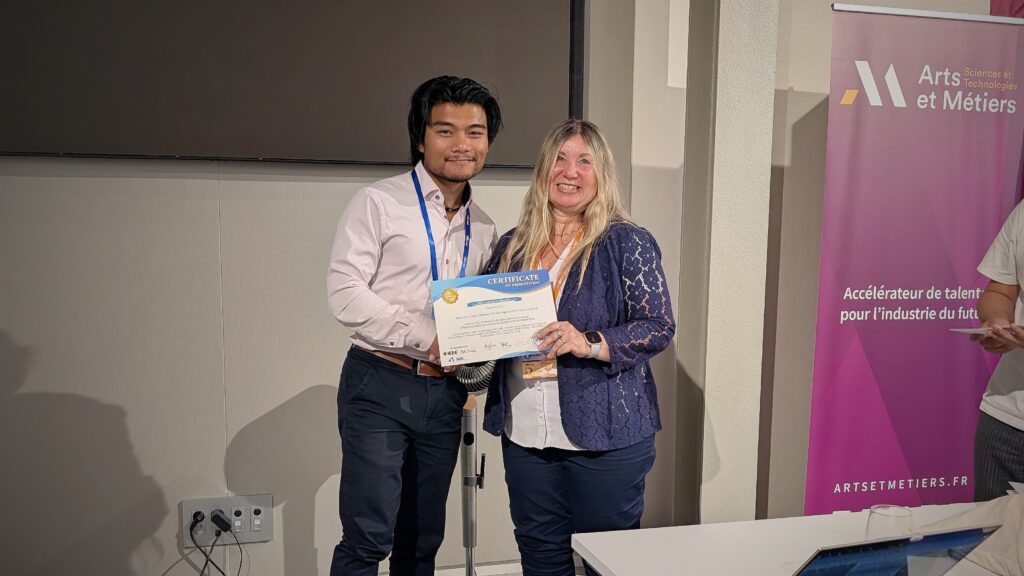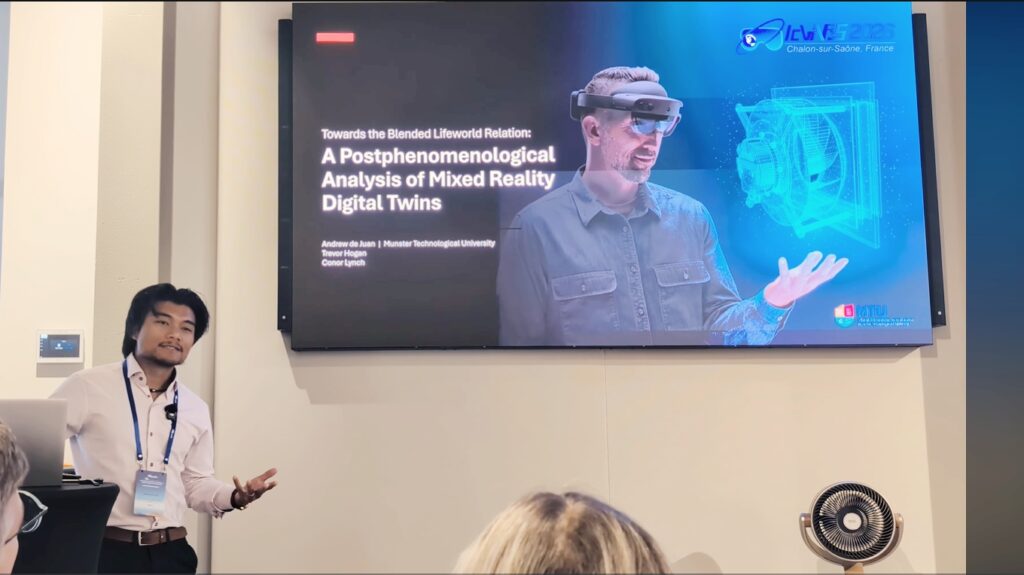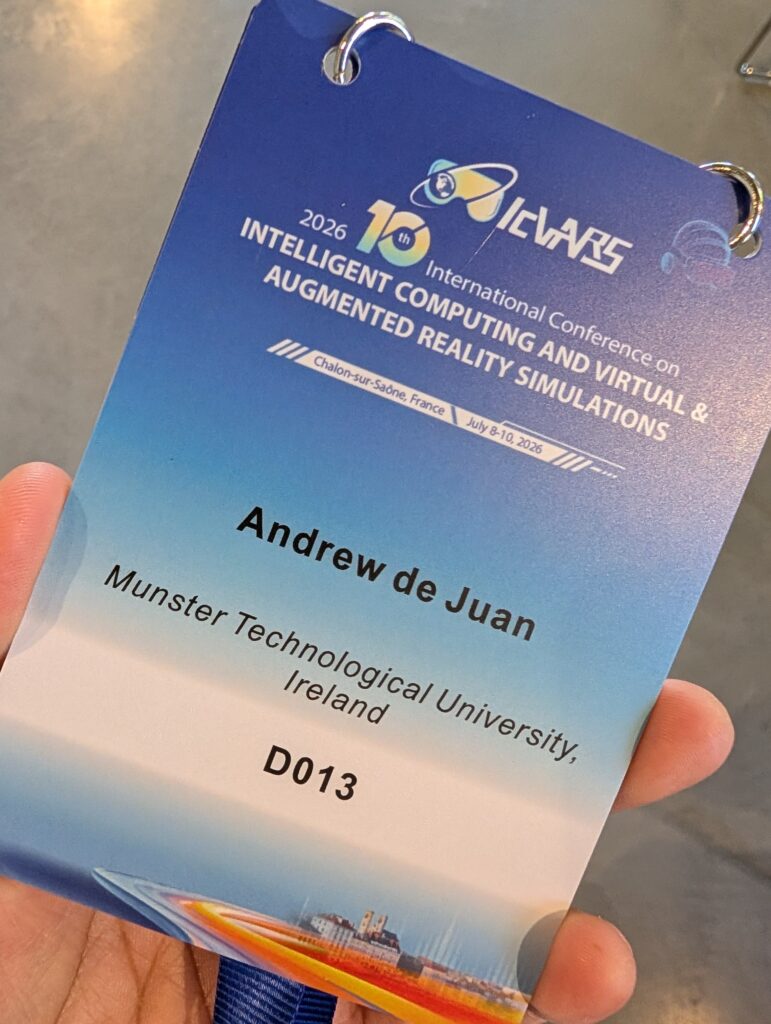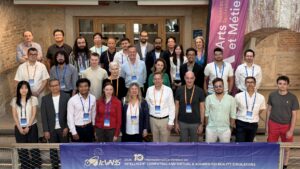
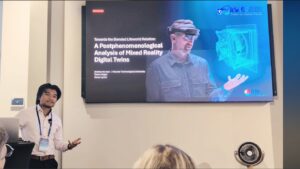
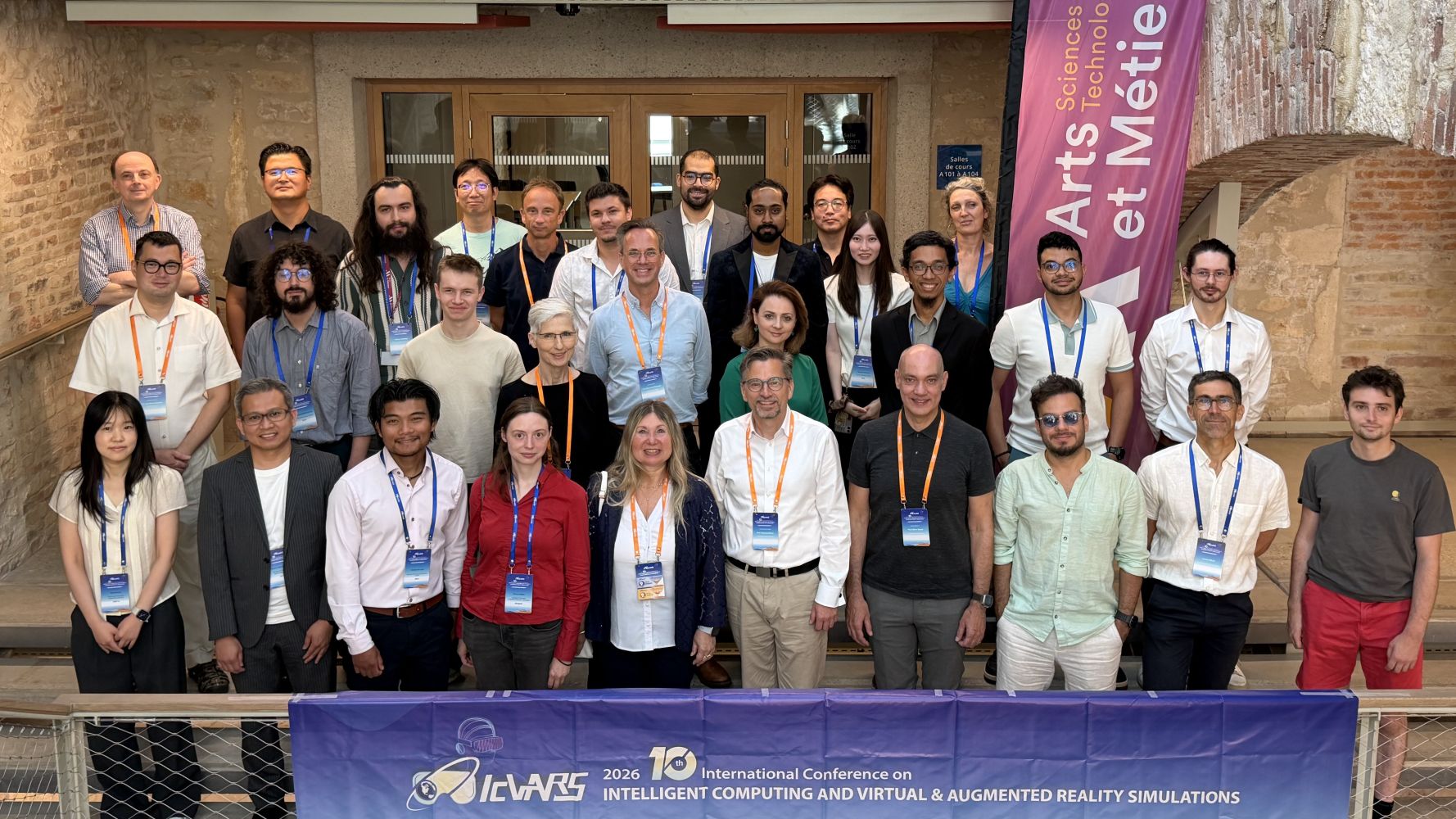
I recently traveled to France to attend and present my paper at ICVARS 2026 (Intelligent Computing in Virtual and Augmented Reality Simulations).
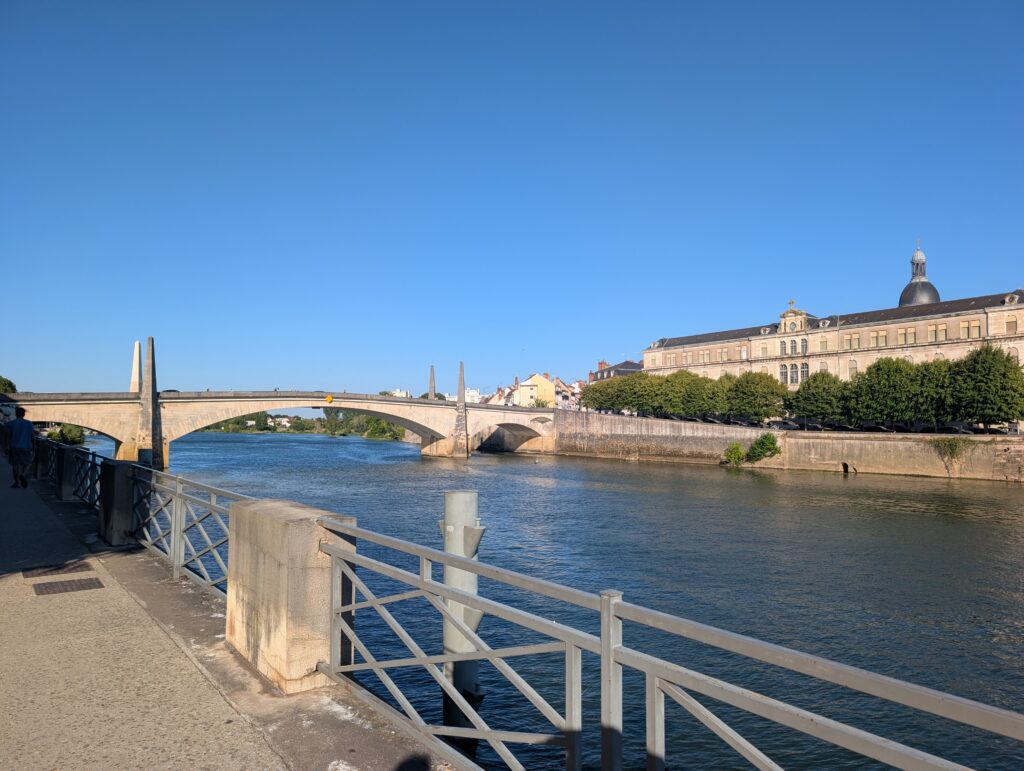
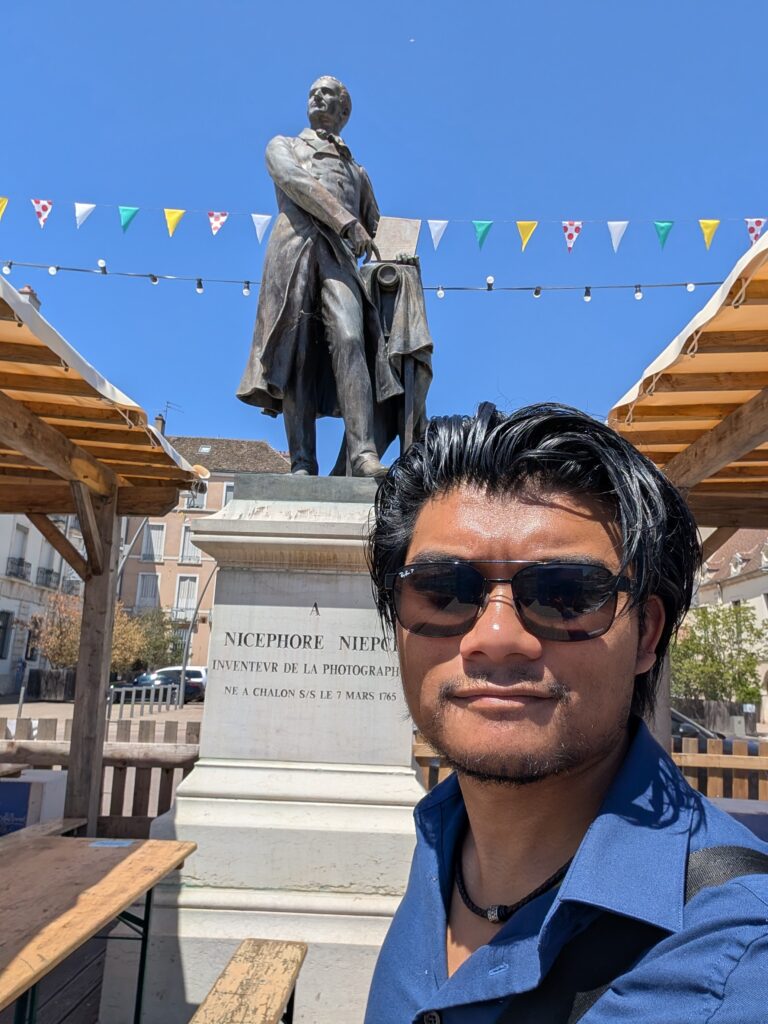
The event was co-sponsored by Arts et Métiers, IEEE, and the IEEE SMC (Systems, Man, and Cybernetics Society). Beyond the technical exchange, the setting itself was remarkably fitting: Chalon-sur-Saône, the birthplace of Nicéphore Niépce, the pioneer credited with inventing photography. Discussing the future of spatial computing and immersive visualisation in the very town where modern visual capture began gave the entire week a unique historical context.
Hands-On Demos & Host Facilities
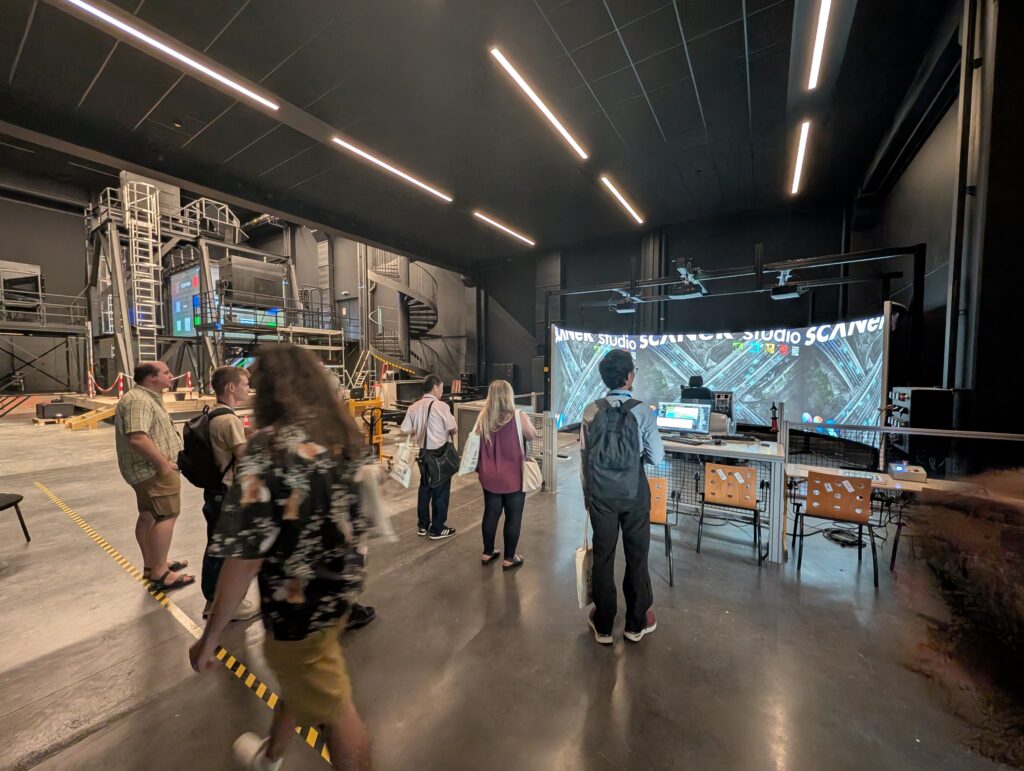
The host facility featured some impressive hardware setups demonstrating how immersive systems are shifting real-world industrial and emergency training:
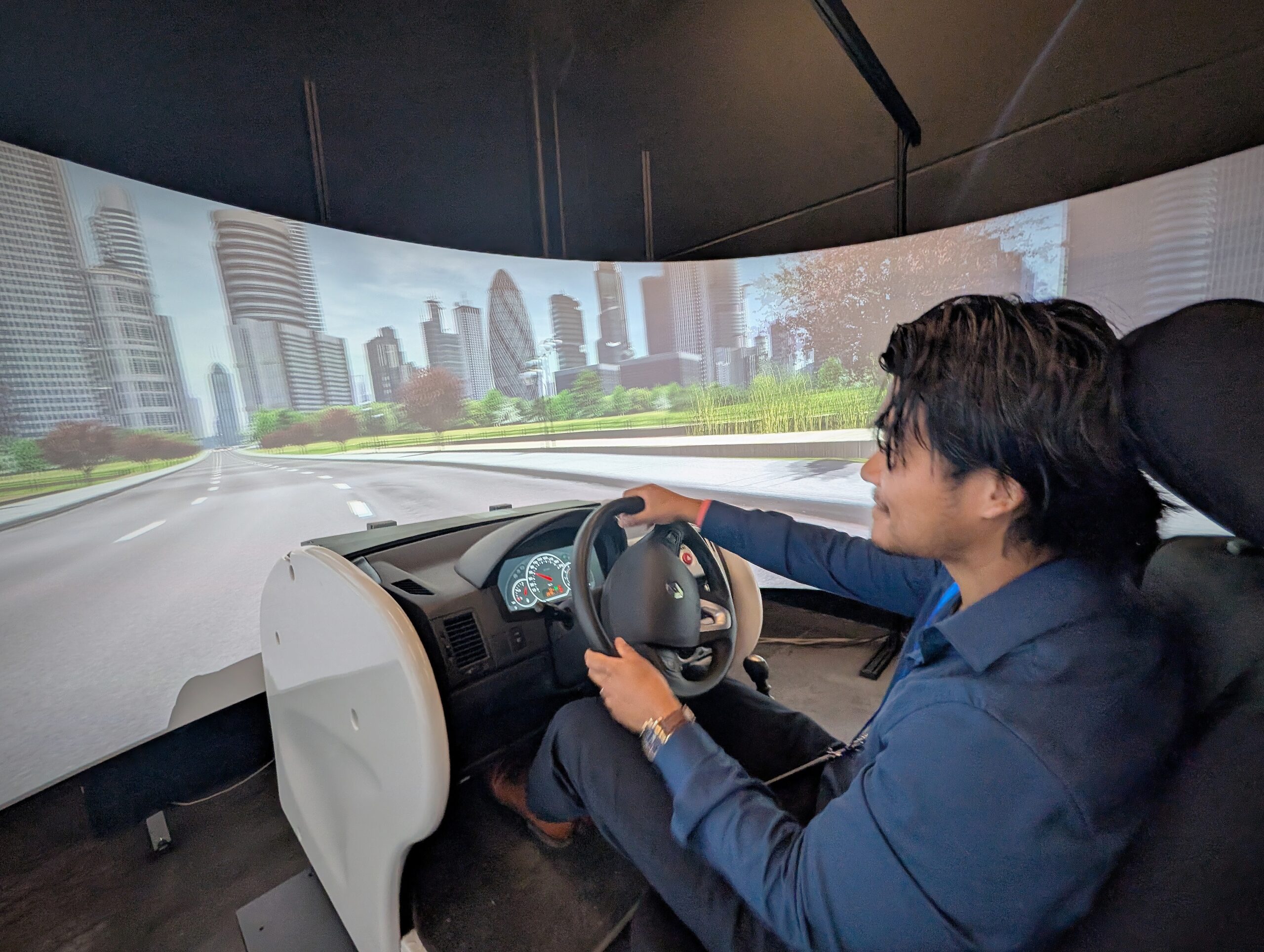
CAVE & Driving Simulation
A full CAVE environment paired with a driving simulation that provided dynamic force feedback from a real vehicle interface. Getting inside the CAVE system for the driving simulation was an incredible experience. Unlike standard seated VR, being completely surrounded by the projection screens while sitting in a setup tied directly to a real vehicle’s physical dynamics made a world of difference. Feeling the dynamic force feedback through the controls as I navigated the virtual roads truly bridged the gap between pure simulation and reality, showing just how effective these environments can be for high-stakes driver training.
5-Axis / 3D Spatial Environment
An immersive space where active 3D glasses allowed for precise 3D spatial manipulation and perception. Trying out the 5-axis 3D spatial space was easily one of the highlights of the facility tour. Once I put on the active 3D glasses, the depth perception was so sharp and precise that digital models felt genuinely tangible. Being able to interact with and manipulate objects across three-dimensional space with that level of spatial clarity really highlighted how advanced immersive technology has become for complex design and spatial visualisation.
Haptic Firefighter Training
A simulation combining virtual fire visualizers with real-world thermal output and haptic feedback, offering a safer, highly realistic alternative to conventional burn-building drills. Stepping into the firefighter simulation was both intense and eye-opening. It wasn’t just visual; feeling the real thermal heat radiating while handling the haptic feedback equipment added a shocking layer of realism to the virtual flames. Experiencing that stress and physical feedback firsthand made it obvious how game-changing this technology is for first-responder training, giving trainees the high-risk muscle memory they need without ever putting them in actual harm’s way.
Virtual Welding Systems
High-precision training programs designed to build muscle memory without material waste. I also got to try my hand at the virtual welding simulator, which was surprisingly intuitive and precise. The real-time visual and tactile feedback allowed me to focus on steadying my hand and maintaining the correct angle, instantly building a feel for the technique. It was easy to see how revolutionary this is for industrial vocational training, as it lets beginners make mistakes, refine their muscle memory, and practice indefinitely without burning through real materials.
Research Highlights & Keynote Perspectives
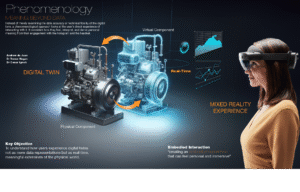
The sessions covered a broad spectrum of engineering and human-centric design, ranging from Digital Twins integrating Computational Fluid Dynamics (CFD) in VR, to medical applications tailored for dental training.
The keynote lineup delivered a great balance between technical roadmaps and philosophical critique:
1. From Telepresence to Perception-Driven XR
Dr. Oliver Staadt (University of Rostock)
Dr. Staadt took a deep dive into building systems around human limits. One of my biggest take-homes from his talk was that presence is not the same as fidelity. He showcased various environmentsn covering everything from telepresence and eye contact to altered gravity and discussed foveated rendering designed specifically around human vision. By adjusting to human limitations, the entire system is improved. The core design principle here is that systems aren’t uniform, and not every pixel deserves equal computational cost. Ultimately, human limits are design opportunities.
2. What Can Generative AI Do for Social XR?
Prof. Anthony Steed (University College London)
Professor Steed brought some really cool Unity projects to the table, showing how you can prompt AI in real-time to change textures directly within a game environment. His talk really reinforced a key point for me: the goal of these tools is to make the world useful to the people that inhabit it.
3. A Digital Déjà Vu Known as Virtual Reality
Prof. Marnix van Gisbergen (Breda University of Applied Sciences)
A refreshingly provocative historical walkthrough that questioned whether current hardware has overcome its historic friction points (headset weight, friction, short-lived novelty) to deliver lasting, non-gimmicky value.
Professor van Gisbergen delivered a very thought-provoking session that essentially laid down the age-old question: Why VR? He pushed us to think beyond the media itself and really examine the actual added value asking hard questions about why adoption remains tricky and what it takes for the technology to truly deliver lasting worth beyond the initial hype.
4. Mixed Reality: From the Early Days to Remaining Challenges
Prof. Guillaume Moreau (IMT Atlantique / Arts et Métiers)
Professor Moreau gave a strong, realistic picture of the current MR landscape. Looking at where we stand today and where the pain points still lie, one of the main technical challenges he highlighted was that georeferencing in XR is still largely mediocre, pointing out where the industry still has significant work to do.
A Visit to the Musée Nicéphore Niépce
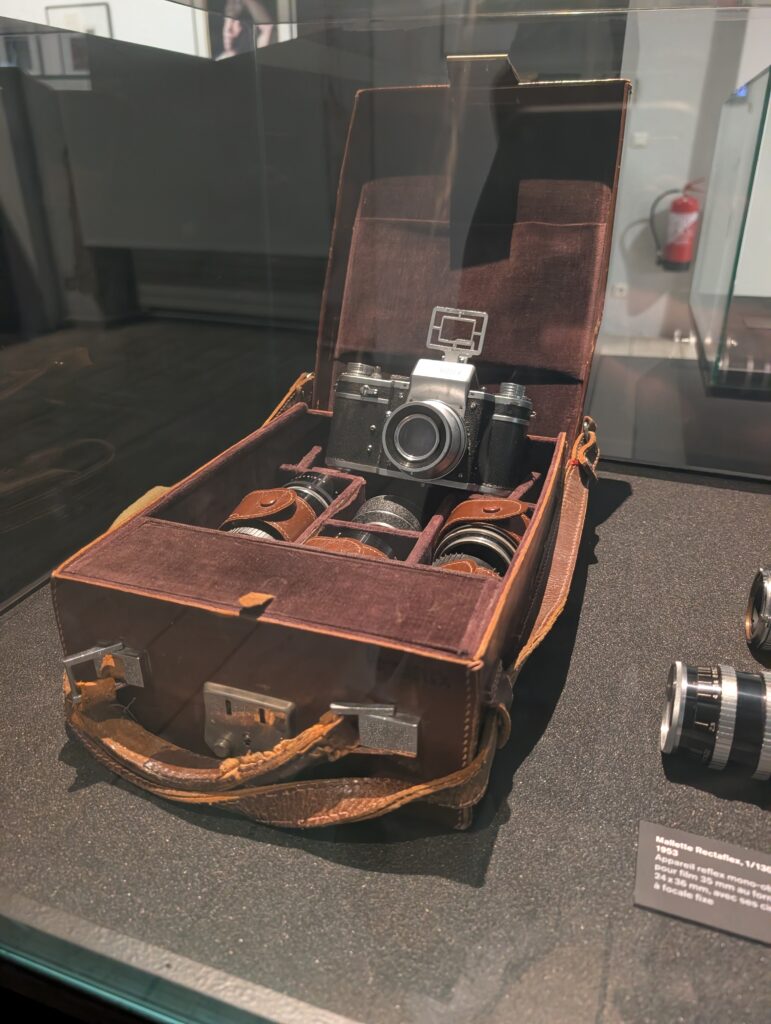
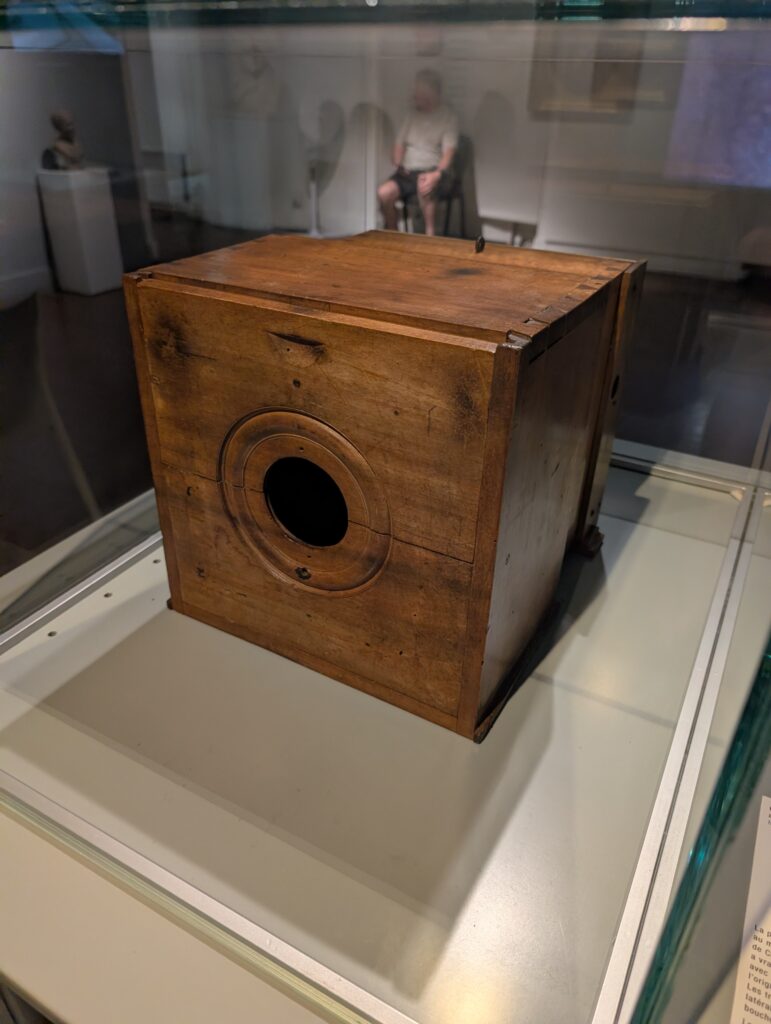
Outside the conference hall, I spent time exploring Chalon-sur-Saône and visited the Musée Nicéphore Niépce. Walking through the timeline from the very first permanent camera photograph (View from the Window at Le Gras) to modern digital image processing was a perfect bookend to the week.
It framed our current push into XR, digital twins, and virtual environments not as a sudden trend, but as the latest chapter in a 200-year-old human effort to capture, simulate, and interact with visual reality.